
Bitcoin accepted for select properties
Bitcoin accepted, subject to seller approval and transaction terms.
Bitcoin transactions welcome, subject to seller acceptance and transaction arrangements.

Properties that accept Bitcoin
The owners of these properties have authorized Bitcoin as a payment option. For any other listing, I can ask the owner.
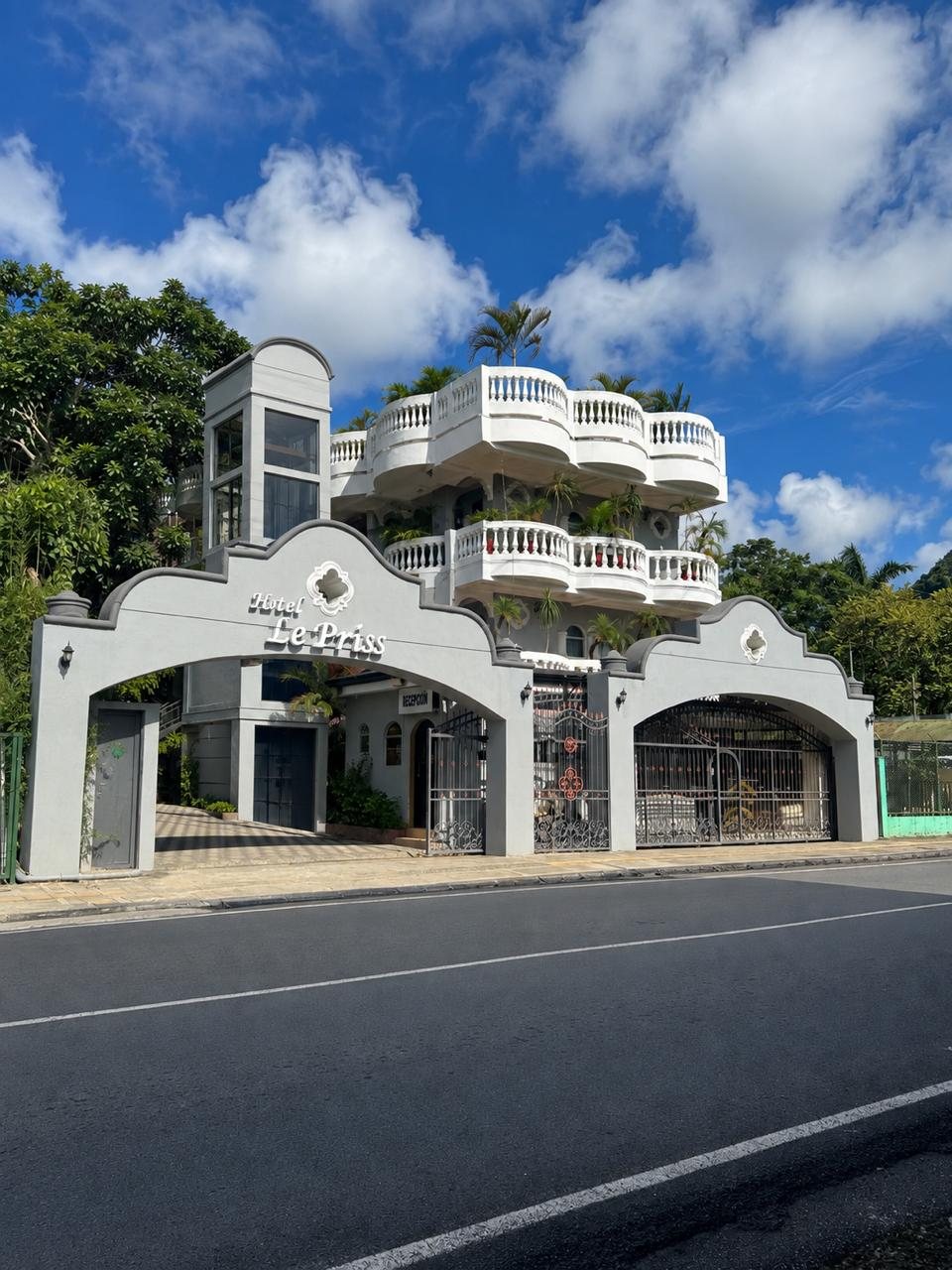 EXCLUSIVEBitcoin accepted
Hotel Le Priss Inn
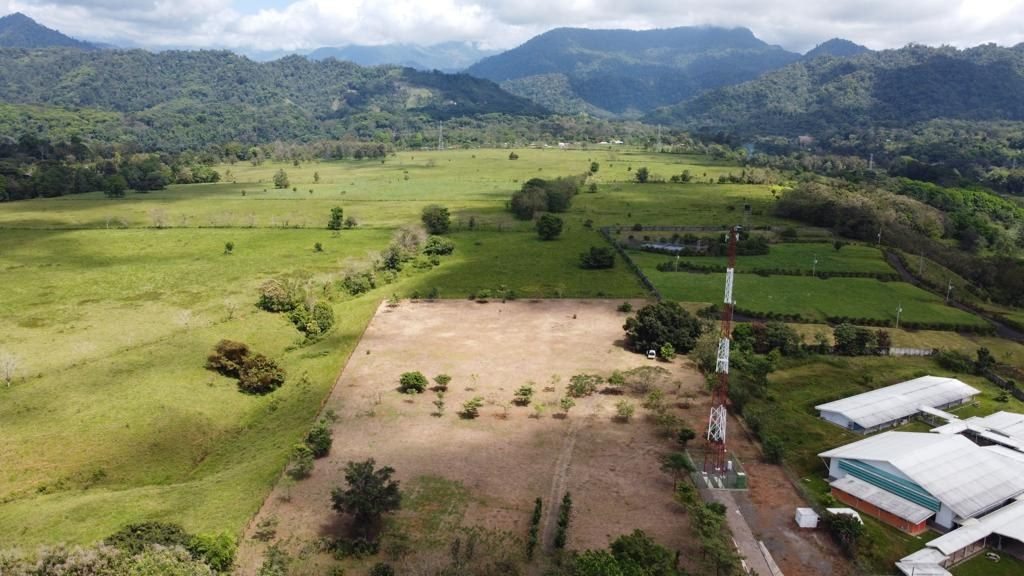 EXCLUSIVEBitcoin accepted
Land in Londres, Naranjito
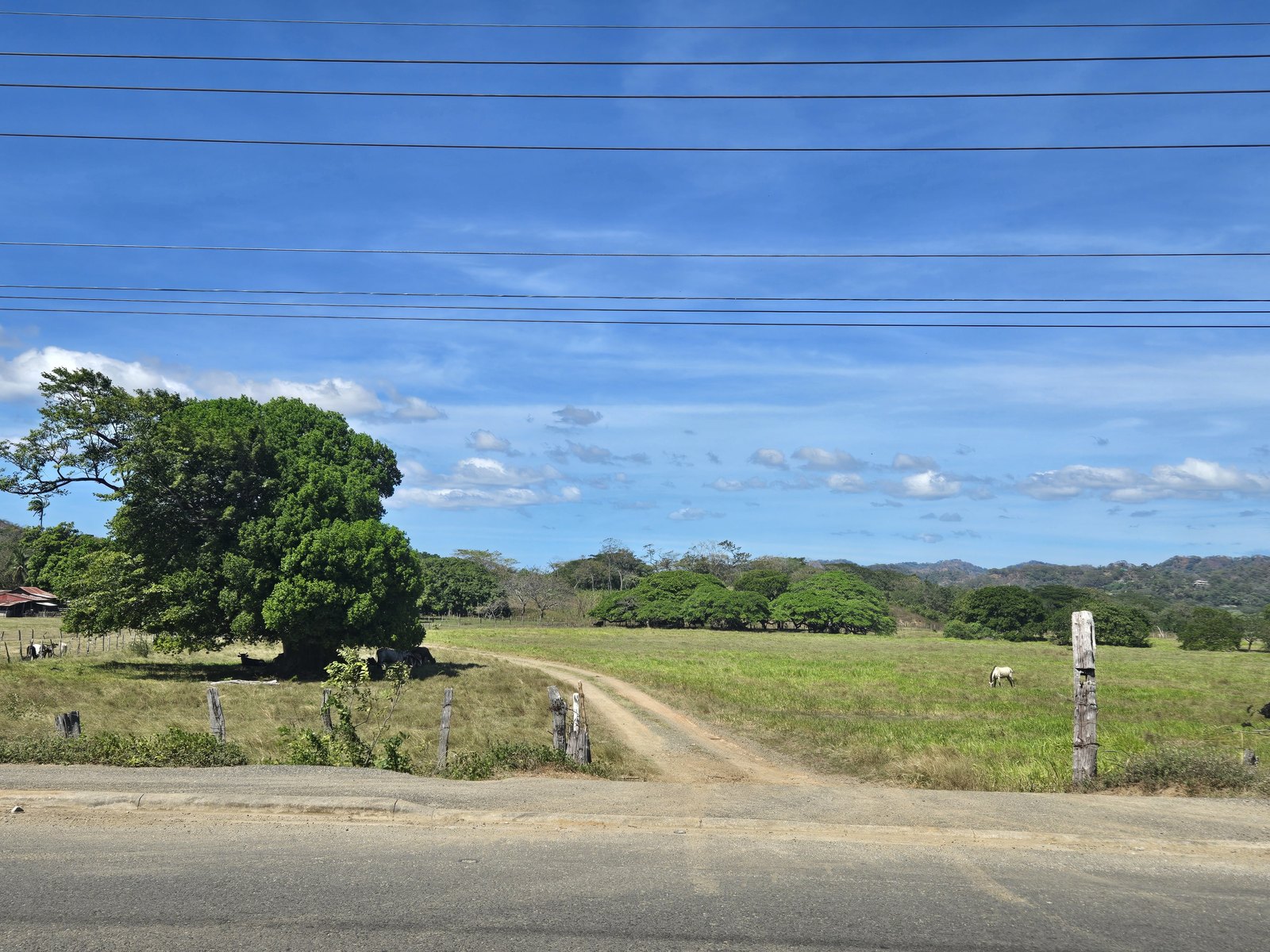 EXCLUSIVEBitcoin accepted
Finca Laguna de Tamarindo
How a Bitcoin purchase works
The property, the deed and the registry work exactly as in any purchase in Costa Rica. Only the way the funds move changes.
The seller accepts bitcoin directly. It requires a seller who wants to hold bitcoin and contract terms written for it.
You pay in bitcoin; a provider converts it and wires US dollars to escrow. The seller and the notary work with a normal dollar payment. This is the most common path.
Confirm the property and the structure
Bitcoin is available only where the owner has approved it. We agree in writing whether the seller receives bitcoin directly or receives US dollars converted from your bitcoin.
Verify your funds
You show proof of your bitcoin holdings and their source (exchange records or wallet history). This is the same NDA and proof-of-funds step every buyer completes.
Agree price and exchange terms
The price is set in US dollars. The offer states the exchange-rate reference, the moment the rate is locked, and who covers conversion and network fees.
Fund through escrow
Funds go to an escrow agent or a registered virtual-asset service provider, never directly to the seller before closing. If conversion applies, bitcoin is converted and wired to escrow in dollars.
Close before a Costa Rican notary
The notary signs the deed, applies the anti-money-laundering checks required by law and records the sale in the National Registry, with the price stated in dollars or colones. Transfer taxes and fees are paid as in any purchase.
Release and registration
Escrow releases the funds to the seller once the deed is signed and the conditions are met. You keep the transfer records as proof of payment.
Bitcoin and Costa Rican law
New rules for crypto providers (2026)
Law 10961, published on June 19, 2026, reformed the anti-money-laundering law (Law 7786). Virtual-asset service providers must register with SUGEF, identify their clients and keep transaction records.
Price volatility
Bitcoin's price can move during a closing. Locking the rate at funding, or converting to dollars before the deadline, protects both buyer and seller.
General information, not legal, tax or financial advice. Each transaction is reviewed with a Costa Rican attorney and notary, and the terms depend on the seller's acceptance.
Request information or schedule a call
Offering memorandums, appraisals, financials and site visits are shared with qualified buyers after an NDA and proof of funds. Colleagues in Costa Rica, Panama and the US are welcome to bring their clients.